When you need to replace a compressor part, understanding OEM vs aftermarket options can help you choose the right fit for your equipment. This blog explains the difference between OE, OEM and aftermarket compressor parts, how they compare, and what to check before buying a replacement part for your compressor.
Looking for air compressor parts? Express Australia supplies genuine, aftermarket and OEM-equivalent compressor parts for wholesalers and consumers across Australia, including compressor filters, compressor parts, vacuum pump spares, and other replacement components.
Understanding Your Compressor Part Options
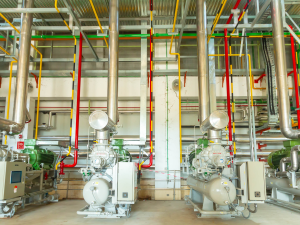
When looking for replacement parts for a compressor, you may come across terms like OE parts, OEM replacement parts and aftermarket parts. These terms explain where a part comes from, who manufactured it and how closely it matches the original equipment.
In simple terms, OE and OEM parts are closely linked to the original manufacturer, while aftermarket parts are produced by other manufacturers as compatible replacement components. Each option can make sense depending on your compressor model, budget, application and performance requirements.
The right part is not always about choosing the highest price or the original brand. It is about finding a reliable replacement that is compatible with your equipment, made from suitable materials and supplied by a trusted company. Understanding the difference between OEM, OE and aftermarket parts can help you compare quality, cost, warranty and reliability before you buy.
What Are OE Compressor Parts?
If you want the closest match to the part originally fitted to your compressor, OE parts are usually the first option people consider. OE stands for Original Equipment, and these are the parts supplied for a compressor when it is first manufactured. They are the exact parts chosen for the equipment at the factory and are usually supplied under the compressor brand or through approved suppliers.
Because OE compressor parts are made for the original equipment, they are designed to match the compressor model, system and performance requirements. This can make them a reliable option when you need the same part, same fit and same quality as the original components already installed in the compressor.
OE parts can be a good choice when warranty, exact compatibility or manufacturer approval is important. However, they may not always be the most affordable option, and availability can vary depending on the compressor brand, model and part type.
What Are OEM Compressor Parts?
OEM parts sit very close to OE parts, which is why the two terms are often confused. OEM stands for Original Equipment Manufacturer. These parts are made by the manufacturer that produced the original part or component used in the equipment. In many cases, they are built to the same specifications as the part originally installed in the compressor.
In some cases, an OEM part may be identical to the original component, especially when it is made by the same manufacturer that supplies the factory part.
The main difference between OEM and OE parts is how they are supplied and branded. OE parts are usually sold as genuine parts through the main compressor brand, while OEM parts may be made by the same manufacturer but supplied under a different brand or packaging.
OEM compressor parts can be a reliable option when you want a replacement part that closely matches the original equipment. They may offer the same fit, function and performance as the original part, while giving customers another option when comparing price, availability and compatibility.
What About OEM-Equivalent Parts?
OEM-equivalent parts are designed to match the fit, function and performance of OEM parts, but they are not necessarily made by the original equipment manufacturer. In many cases, they are chosen as a compatible replacement option when customers want a balance between reliability, availability and cost.
This is where checking the correct part number, compressor model and supplier information becomes important. A well-matched OEM-equivalent part can help customers find a practical replacement without always needing to source the original branded part.
What Are Aftermarket Compressor Parts?
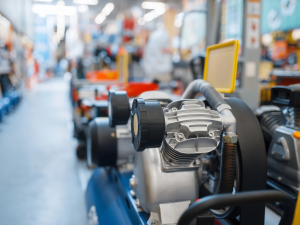
Aftermarket compressor parts are replacement parts made by manufacturers other than the original compressor brand or original equipment manufacturer. They are designed to be compatible with the original equipment and can be used to replace worn, damaged or ageing components.
One of the main advantages of aftermarket parts is that they can offer a compatible, cost-effective replacement option, especially when OE or OEM parts are harder to source or less suited to the customer’s budget.
Quality can vary between aftermarket suppliers, so it is important to choose parts from a trusted company. High-quality aftermarket parts should be manufactured from suitable materials, matched to the correct part number and designed to support the performance, reliability and service life of your compressor.
For many customers, aftermarket compressor parts offer a practical way to balance compatibility, availability and cost. The key is making sure the part is suitable for your exact compressor model, system and application before you buy.
OE, OEM Or Aftermarket: How Do They Compare?
While OE, OEM and aftermarket compressor parts can all be used as replacement options, they are not supplied in the same way. The right choice will depend on your compressor model, budget, availability, warranty requirements and how closely the part needs to match the original equipment.
| OE Parts | OEM Parts | Aftermarket Parts | |
| What It Means | Original Equipment parts are supplied for the compressor, usually through the main brand or approved suppliers. | Parts made by the Original Equipment Manufacturer that produced the original component. | Compatible replacement parts made by other manufacturers. |
| Main Advantage | The closest match to the original part fitted at the factory. | Closely aligned with the original specifications, fit and function. | Often cost-effective, practical and easier to source. |
| What To Consider | Price and availability can vary depending on the brand, model and part type. | Branding, packaging or supply channels may differ from OE parts. | Quality can vary, so correct matching and supplier choice matter. |
| Best Suited For | Exact compatibility, warranty requirements or manufacturer-approved replacements. | Similar fit, function and performance with more flexibility around supply. | Balancing reliability, availability and cost for compatible replacements. |
Are Aftermarket And OEM-Equivalent Compressor Parts Reliable?
Aftermarket and OEM-equivalent compressor parts can be reliable options when they are correctly matched to the compressor model, system and application. These different types of replacement parts are typically chosen when customers want a practical balance between compatibility, availability, performance and cost.
If you need help locating the right part, give Dan a call today!
What To Check Before Buying Replacement Compressor Parts
- Part number compatibility: Make sure the replacement part matches the correct manufacturer part number or compressor model.
- Fit and function: The part should be designed to perform the same role as the original component.
- Material quality: High-quality aftermarket parts should be manufactured from suitable materials to support reliability and service life.
- Supplier knowledge: A trusted supplier can help confirm whether the part is suitable before you buy.
- Application requirements: Some compressed air systems may need parts suited to specific pressure, temperature or operating conditions.
Quality can vary between manufacturers and suppliers, so it is important to choose more than just the lowest price. A more affordable part can still help customers save money and provide a reliable, cost-effective option when it is compatible with the equipment and selected for the right application.
Why Part Numbers Matter When Choosing Compressor Parts
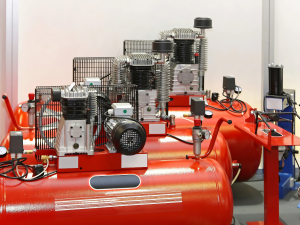
When comparing OE, OEM, OEM-equivalent and aftermarket compressor parts, the manufacturer part number is one of the most useful details to check. It helps identify the exact component originally installed in the equipment and can make it easier to find a compatible replacement.
This matters because many compressor parts can look similar, even when they are not the same. Filters, seals, valves, gaskets and belts can vary in size, materials, design and performance requirements. Choosing the wrong part may affect how your compressor runs, even if the part appears to fit.
This is especially important for compressor air filters, where the right fit and specification can help protect the compressor system from dust, dirt, moisture and other contaminants while supporting airflow and efficiency.
Part numbers are also helpful when comparing different replacement options. If the original part is no longer available, the part number may help identify an OEM-equivalent or aftermarket part designed to match the same fit, function and performance. This can be useful during preventive maintenance, when you need a reliable repair option, want to reduce downtime or need to source a more cost-effective replacement.
Because aftermarket parts can come from different manufacturers, there can be varying quality across the market. Generally, the safest approach is to check the part number, compressor model and product specifications before buying.
Find Compatible Compressor Parts With Express Australia
Choosing the right compressor part should not feel like a guessing game. Whether you are comparing genuine, aftermarket or OEM-equivalent options, the goal is to find a part that fits your equipment, suits your application and supports reliable performance.
Express Australia makes it easier to search for compatible compressor parts and related components online. Enter your manufacturer part number into the search bar to look for compatible replacement products, or browse the parts they carry across different compressor systems and applications.
If you cannot find the part you need or are unsure which option is right, contact the Express Australia team for expert advice before placing an order.