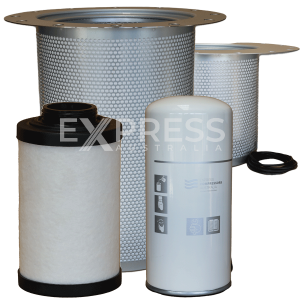
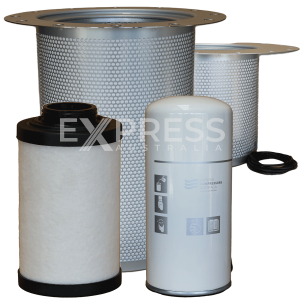
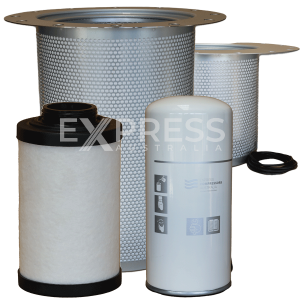
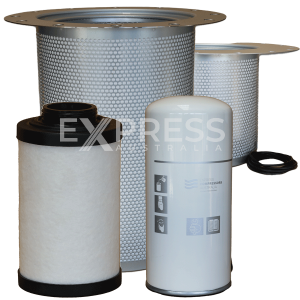
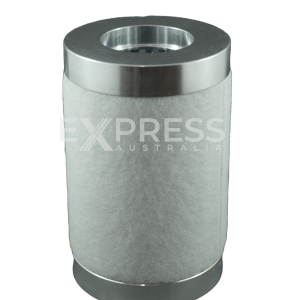
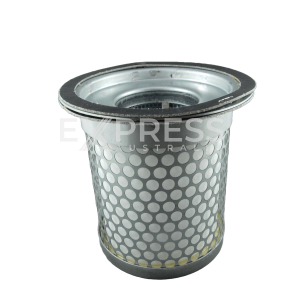
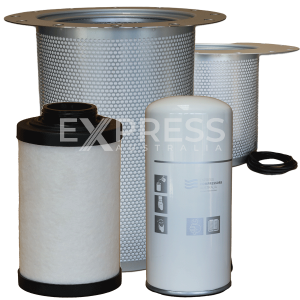
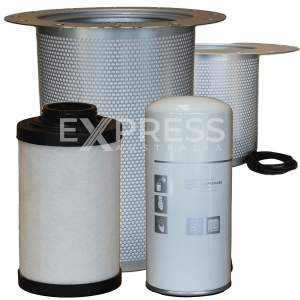
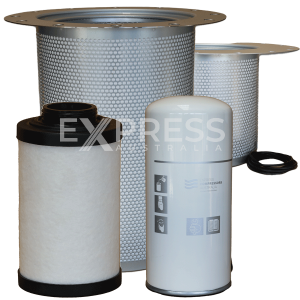
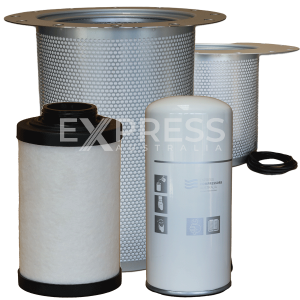
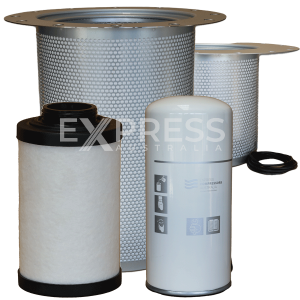
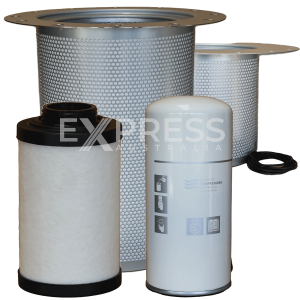
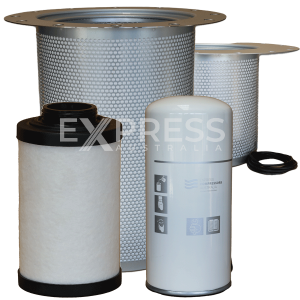
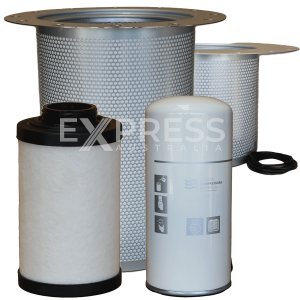
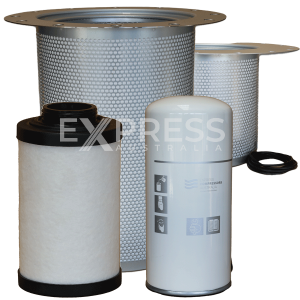
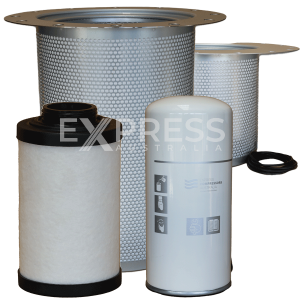
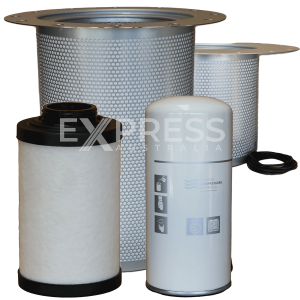
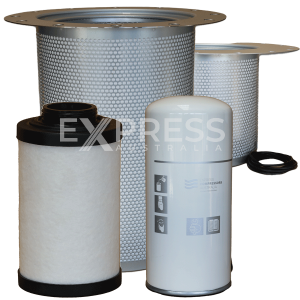
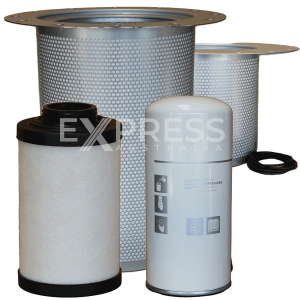
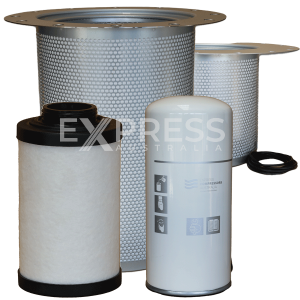
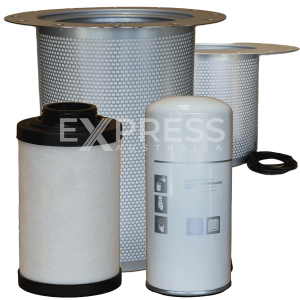
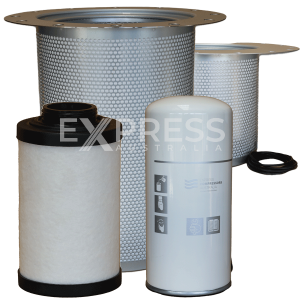
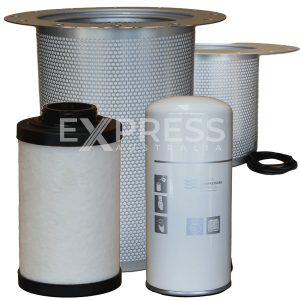
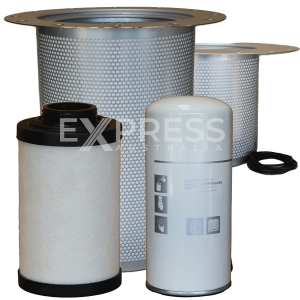
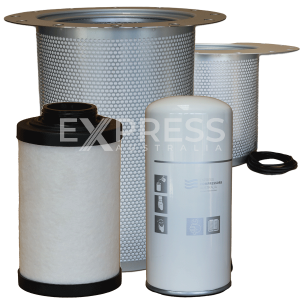
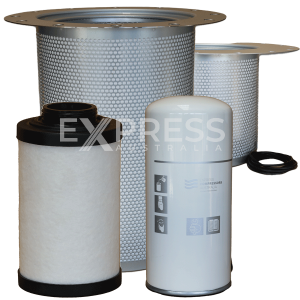
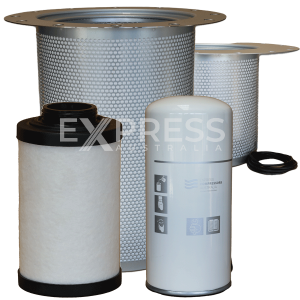
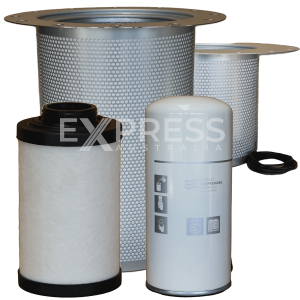
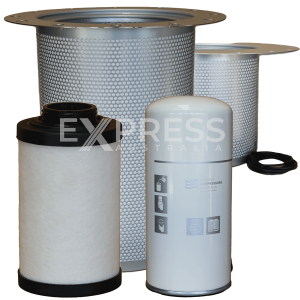
Yes. An oil separator for air compressors is vital for maintaining clean, reliable systems. Without one, oil contamination can damage equipment, shorten its service life, and impact air quality. Oil separators:
Protect downstream equipment from contaminants.
Improve system efficiency.
Support compliance with environmental regulations.
Lower maintenance costs and downtime.
The different types of oil separators include:
Coalescing separators – use a filter to merge fine mist and smaller oil droplets into larger droplets for easier removal.
Centrifugal separators – rely on centrifugal force to remove heavier oil droplets.
Both types are effective in ensuring optimal performance of compressed air systems, depending on your system design, contaminants, and installation requirements.
Before purchasing an oil separator, assess these factors:
Air quality requirements for your application.
Contaminant type: fine mist vs. larger oil droplets.
Flow rate and system capacity.
Pressure/temperature conditions.
Installation space: especially if installed outdoors.
Maintenance frequency and costs.
Durability: choose robust construction.
Compatibility with your compressor model.
Compliance with environmental regulations.
Cost vs. long-term value.
Supplier reputation and reliability.
Future expansion needs for regional areas or large-scale facilities.
Yes. Every air compressor system benefits from an oil separator. It helps by:
Removing oil and grease contaminants.
Maintaining clean air quality.
Protecting industrial equipment from wear.
Reducing maintenance costs and downtime.
A compressor oil separator:
Separates oil from the air stream.
Protects downstream equipment and valuable assets.
Improves system efficiency.
Ensures compliance with environmental impact and wastewater regulations.
Oil is separated using a separator tank with engineered processes:
Gravity separation (lower density oils float).
Centrifugal force for heavier oil droplets.
Filtration for smaller oil droplets.
This results in cleaner compressed air, reducing contaminants.
An oil separator should always be installed in compressed air systems where clean air is required. It is crucial for industries such as:
Manufacturing (product quality and compliance).
Mining (protecting heavy-duty equipment).
Construction (on-site reliability and system efficiency).
Regional areas where wastewater treatment and sewer system compliance are required.
Using a compressor oil separator ensures your system remains cost-effective, compliant, and reliable across various industries.
An oil separator is engineered to remove oil from compressed air using different processes. The most common is gravity separation, where oil droplets rise to the surface because of their lower density compared to water. Other methods include:
Centrifugal separation – applying centrifugal force to remove heavier oil droplets.
Coalescence filtration – combining smaller oil droplets into larger droplets for easier removal.
These processes protect compressed air systems, keeping them efficient and compliant.
If a compressor oil separator fails, oil droplets and contaminants pass into the compressed air system. This can cause:
Poor air quality and oil carryover in downstream equipment.
Increased maintenance costs from clogged filters and damaged components.
Shortened service life of valuable assets.
Higher energy consumption due to reduced system efficiency.
Risk of breaching environmental regulations for wastewater treatment and oil water separator compliance.
A failed oil separator for air compressors can also allow oil and grease to enter the sewer system, increasing your environmental impact and potential penalties. Regular maintenance and timely replacement are essential to prevent failure and keep your system operating at optimal performance.