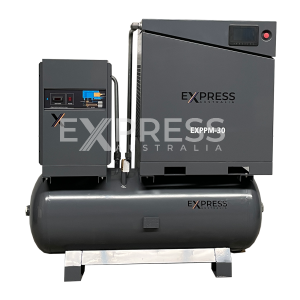
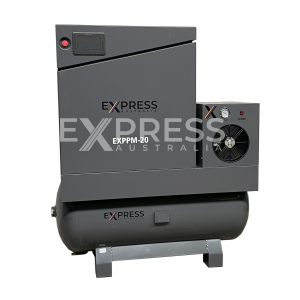
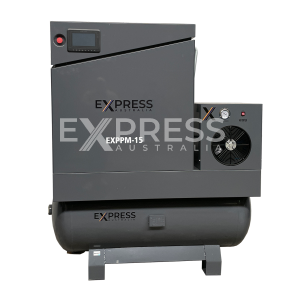
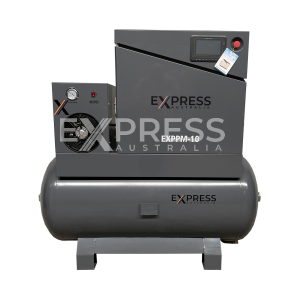
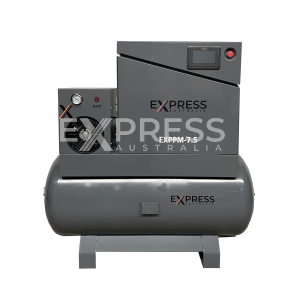
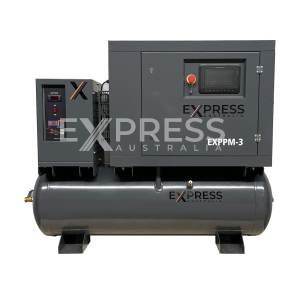
Rotary screw air compressors are a reliable and efficient solution for industries requiring consistent, high-quality compressed air. Capable of continuous airflow and pressurisation, these compressors provide a steady air supply without the downtime associated with other types of compressors. Whether you’re managing a manufacturing plant, operating a construction site, or overseeing a food packaging facility, a rotary screw air compressor offers the power and efficiency you need to keep operations running smoothly.
Unlike traditional piston compressors, screw air compressors use two rotors that rotate in opposite directions to compress air efficiently. This design minimises wear and tear, reduces energy consumption, and ensures a more stable air pressure output. With their ability to operate in demanding environments and extreme temperatures, screw compressors are ideal for a wide range of industrial applications. Additionally, their quiet operation, energy-efficient performance, and low maintenance requirements make them a preferred choice for businesses looking to optimise their air compression needs.
A rotary screw air compressor works by using two rotors (one male and one female) that rotate in opposite directions within a compression chamber. The female rotor works in conjunction with the male rotor to create compression by drawing in air as the two rotors rotate in opposite directions. Female rotors have concave cavities that mesh effectively with the convex lobes of male rotors, enabling efficient compression without direct contact. As the rotors turn, air gets trapped in the spaces between them and is compressed as it moves through the chamber. This process provides a continuous flow of compressed air with minimal fluctuations in pressure, making it ideal for applications that require consistent performance.
Screw air compressors offer several important benefits, including:
Continuous operation: Unlike other compressors that require frequent shutdowns, rotary screw compressors run efficiently with minimal downtime.
Energy efficiency: They consume less energy compared to piston compressors, translating to lower operating costs.
Durability: With fewer moving parts, they experience less mechanical wear and require less maintenance.
Quiet operation: Their design reduces vibration and noise, making them suitable for indoor environments.
Consistent air pressure: They provide a steady and reliable compressed air supply, essential for industrial applications.
While piston compressors are commonly used for small-scale applications, rotary screw compressors are better suited for industrial settings that require continuous operation. Screw compressors offer higher efficiency, greater airflow, and lower maintenance costs compared to piston models. Additionally, they generate less heat and operate at lower noise levels, making them a more effective solution for facility managers and buyers looking for reliability and long-term energy savings.
Rotary screw compressors are widely used across various industries, including:
Manufacturing: Ensuring continuous production with stable air pressure for machinery.
Construction: Powering pneumatic tools on job sites.
Food & Beverage: Providing clean, oil-free compressed air for food packaging and processing.
Automotive: Supporting painting, assembly, and repair tasks.
Pharmaceutical: Ensuring high air purity for production processes.
Yes, rotary screw compressors are designed with energy efficiency in mind. Minimising leakage in the compression chamber significantly contributes to this efficiency. Many models feature variable speed drives, allowing the compressor to adjust its demand-based output. This reduces wasted energy, lowers operational costs, and minimises volumetric losses. Additionally, the screw compression process generates less heat compared to piston compressors, further enhancing energy efficiency.
When selecting a screw compressor for your facility, consider:
Required airflow: Ensure the compressor meets the airflow needs of your operation.
Pressure capacity: Match the built-in pressure ratio to the required working pressure.
Energy efficiency: Look for models with variable speed drives and energy-saving features.
Oil-free vs. oil-lubricated: Choose based on air purity requirements (e.g., food and pharmaceutical industries prefer oil-free models).
Maintenance costs: Consider the long-term costs of servicing and parts replacement.
Noise levels: If operating in an indoor environment, a quieter model may be preferable.
Size: Select the right size based on your power needs and the types of tools being used. Smaller compressors are suitable for less demanding tasks, while larger compressors are better for heavy-duty applications.
Oil-lubricated screw compressors use oil to reduce friction and enhance performance, making them ideal for heavy-duty applications. Injecting oil helps minimise leakage in the compression chamber, ensuring efficient operation. However, some industries require completely oil-free air, such as food production and pharmaceutical manufacturing. Oil-free screw compressors use alternative materials and advanced sealing technology to maintain air purity while still delivering reliable compressed air.
With proper maintenance, a high-quality rotary screw air compressor can last 10-15 years or more. Regular servicing, including filter replacements and lubrication checks, helps extend the lifespan and ensures optimal performance.
Screw compressors require routine maintenance to ensure longevity and efficiency. Typical maintenance tasks include:
Checking and replacing air filters to maintain air quality and prevent contamination.
Monitoring oil levels and replacing oil (for oil-lubricated models) to maintain efficiency.
Cleaning the discharge port and cooling system to prevent overheating.
Checking for leaks and wear on high-quality components to avoid costly breakdowns and minimise leakage.
Yes, rotary screw compressors are specifically designed for continuous operation, making them ideal for industrial applications where a consistent supply of compressed air is required. Their efficient design minimises heat buildup and wear, allowing them to run without frequent shutdowns or maintenance interruptions.
Yes, screw air compressors are built to perform in challenging conditions, including high temperatures and humid environments. Their advanced cooling systems and durable construction make them suitable for operations in demanding climates, such as construction sites and industrial facilities.
To optimise energy savings, consider the following:
Choose a variable-speed drive compressor to adjust power consumption based on demand.
Regularly maintain and clean filters to reduce energy waste from clogged systems.
Ensure proper system sizing to match airflow requirements and prevent unnecessary energy use.
Monitor and reduce air leaks in the distribution system.
Use high-efficiency motors and components to lower required energy consumption.
If your operation requires a dependable, efficient, and long-lasting air compression solution, a rotary screw compressor is a wise investment. The various variants in compressor specifications, such as different pressure levels and operational capacities, make these compressors versatile for a wide range of applications. Its ability to deliver continuous airflow, lower maintenance costs, and improve energy efficiency makes it an essential tool for industries that rely on compressed air to power their equipment.