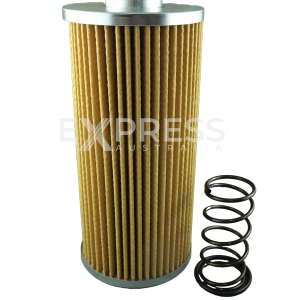
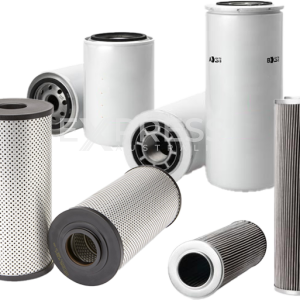
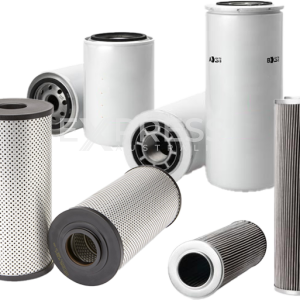
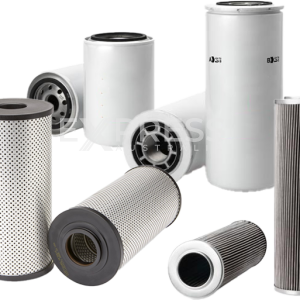
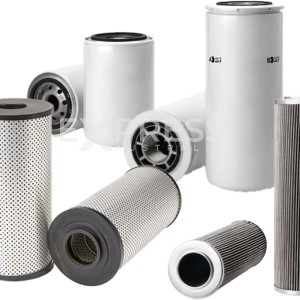
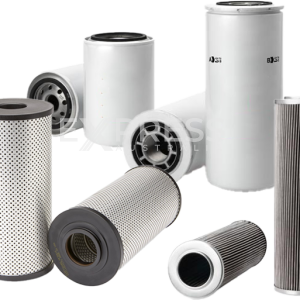
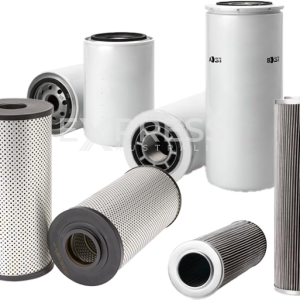
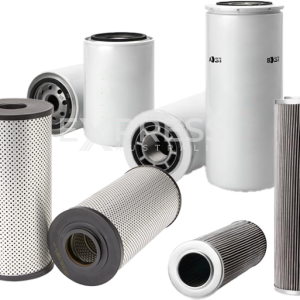
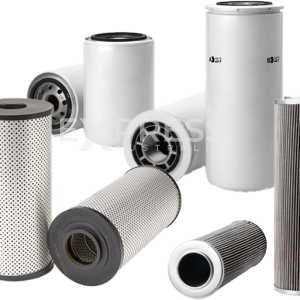
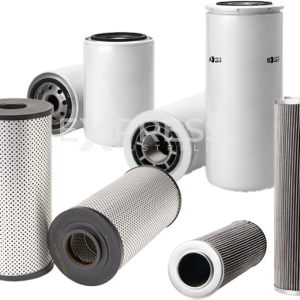
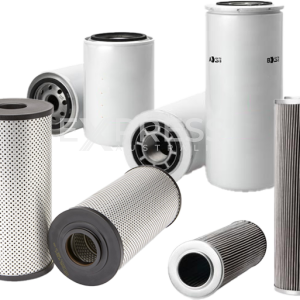
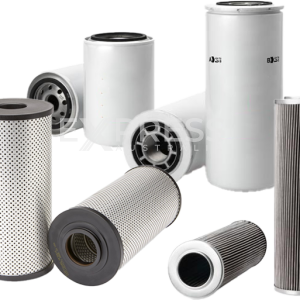
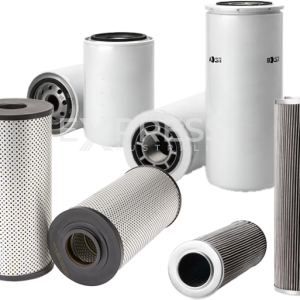
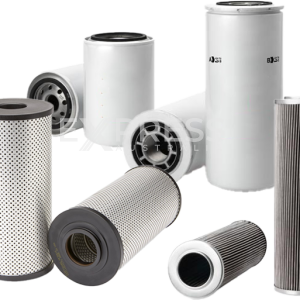
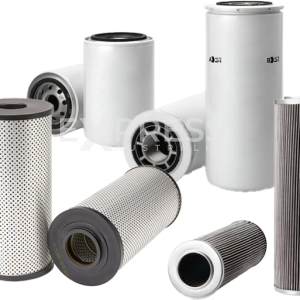
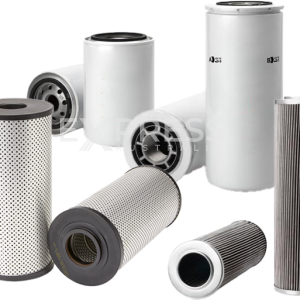
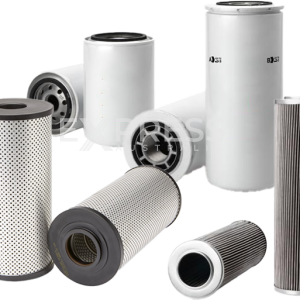
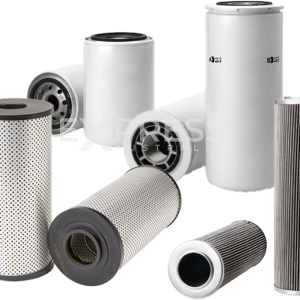
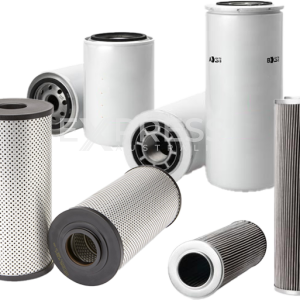
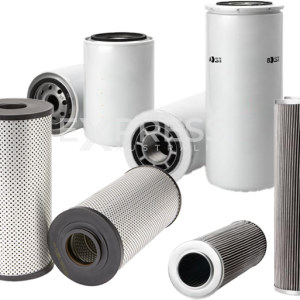
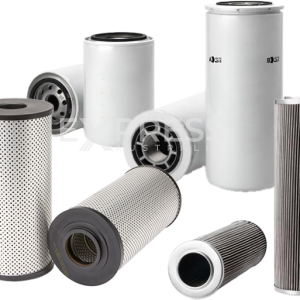
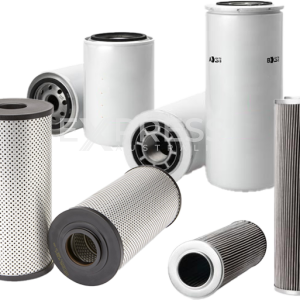
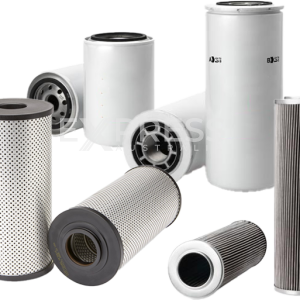
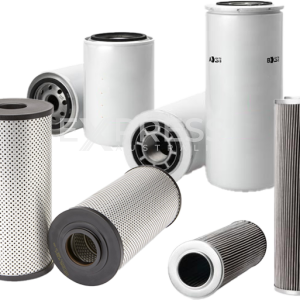
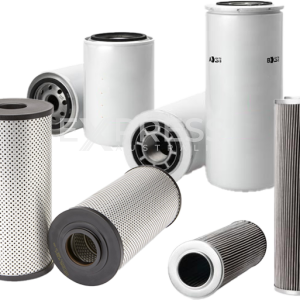
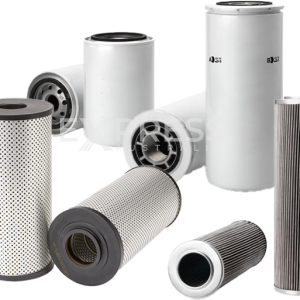
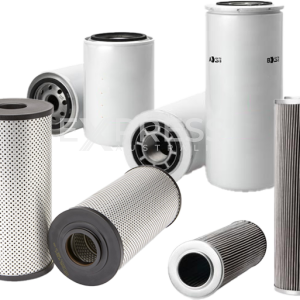
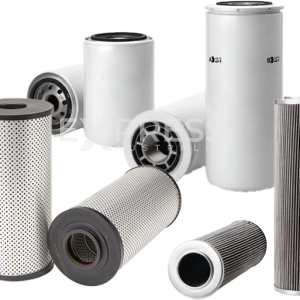
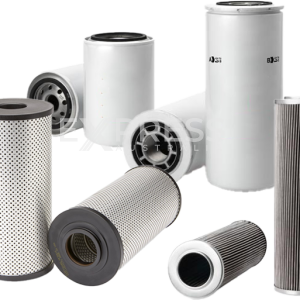
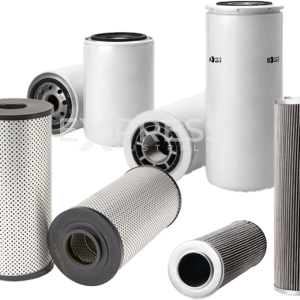
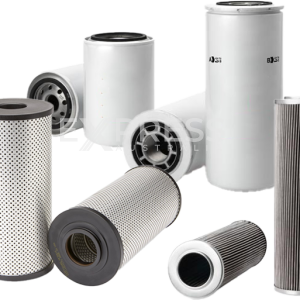
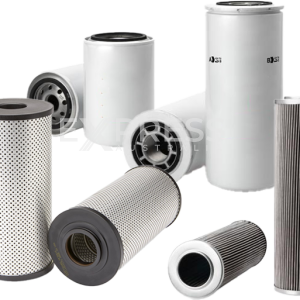
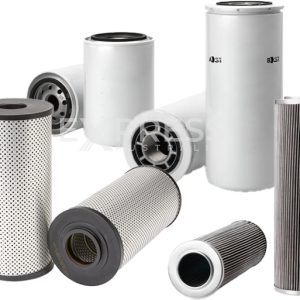
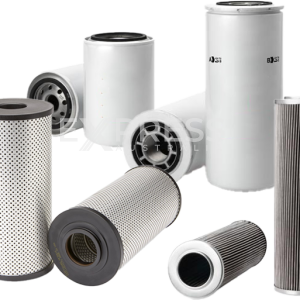
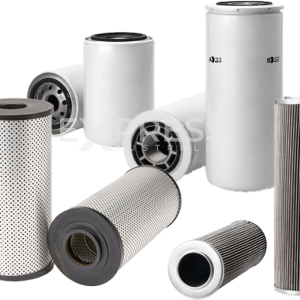
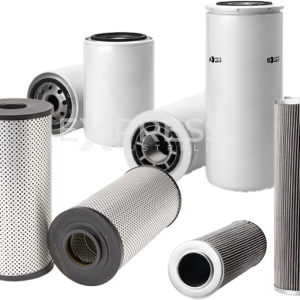
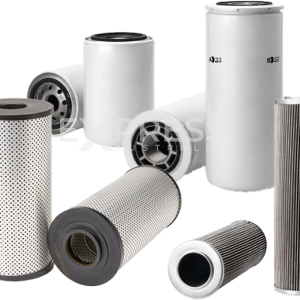
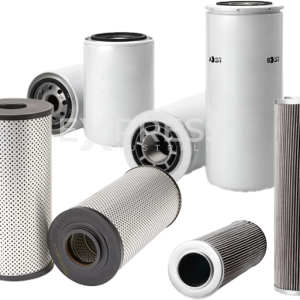
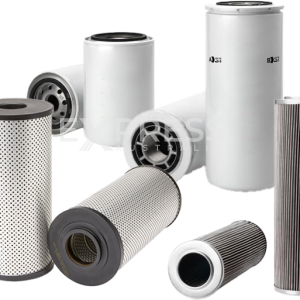
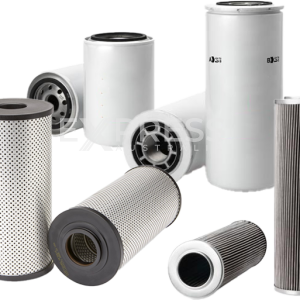
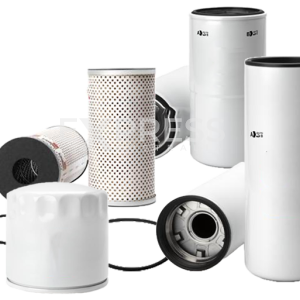
Hydraulic filters are devices designed to remove contaminants from hydraulic fluid. These contaminants can include dirt, metal particles, and other debris that can cause damage to the hydraulic system, leading to reduced efficiency and potential system failure.
Hydraulic filters are crucial because they protect hydraulic systems from contaminants that cause wear and tear on components, leading to breakdowns and costly repairs. By keeping the fluid clean, they help maintain optimal performance and extend the system’s lifespan.
The frequency of changing hydraulic filters depends on several factors, including the type of system, operating conditions, and manufacturer’s recommendations. Generally, changing filters every 1,000 to 2,000 hours of operation is advisable or as indicated by the system’s monitoring devices.
Some hydraulic filters are designed to be cleaned and reused, while others are disposable. It’s essential to find and follow the manufacturer’s guidelines for your specific filter. Reusing a filter that is not meant to be cleaned can lead to inefficiencies and potential damage to the system.
There are several types of hydraulic filters, including:
Suction filters: Positioned before the pump to protect it from large contaminants.
Pressure filters: Placed after the pump to capture particles generated by the pump and system components.
Return filters: Located in the return line to filter the fluid before it returns to the reservoir.
Off-line filters: Used in a separate circuit to provide additional filtration.
Choosing the right hydraulic filter involves considering a range of factors such as the system’s pressure, flow rate, and the type of contaminants present. It’s essential to consult with the manufacturer’s specifications and possibly seek expert advice to ensure optimal performance and protection for your hydraulic system.
Without hydraulic filters, contaminants can quickly accumulate in the hydraulic fluid, leading to increased wear and tear on system components. This can result in reduced efficiency, frequent breakdowns, and costly repairs. Ultimately, the lifespan of parts in the hydraulic system can be significantly shortened without proper filtration.